

A showcase of our Hispanic campaigns across local, regional, and national clients
“Ponle Tu Extra” Case Study
The strongest work doesn’t adapt to culture. It starts with it.
That is how we create award-winning work, and how we build true connections and lasting relevance.
Whataburger’s First Music Video Ever is in Spanish
Interviews with Whatacreators
Texas Parks and Wildlife
Texas Parks & Wildlife (TPWD) recognized that the future of outdoor participation in Texas would be defined by one critical shift: rapid Hispanic population growth. While this audience represented the next generation of park visitors and conservation stewards, participation levels lagged behind due to structural and cultural barriers—not lack of interest.
The Challenge
TPWD faced a dual challenge: an aging core audience and an under-engaged but fast-growing Hispanic population. Barriers included unfamiliarity with activities, lack of generational tradition, perceived complexity, and messaging that did not reflect how Hispanic families experience leisure—together, socially, and accessibly.
Why It Mattered
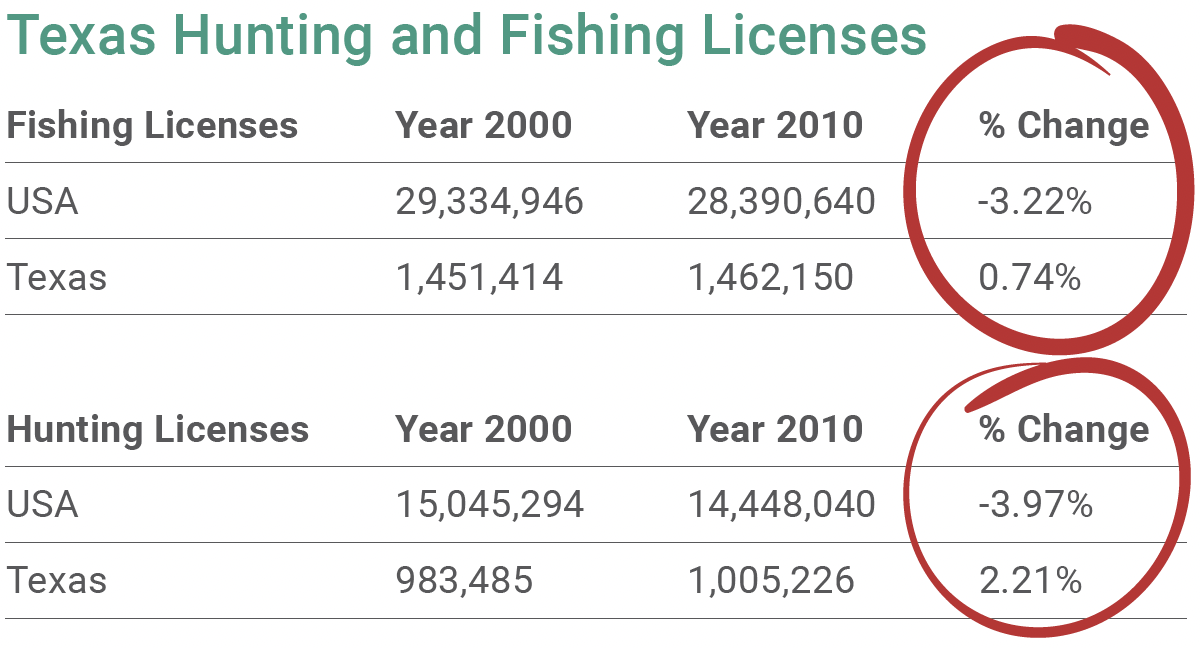
Data made the urgency clear. Hispanic populations were younger and growing faster, while traditional participants skewed older. Without intervention, long-term participation would decline.
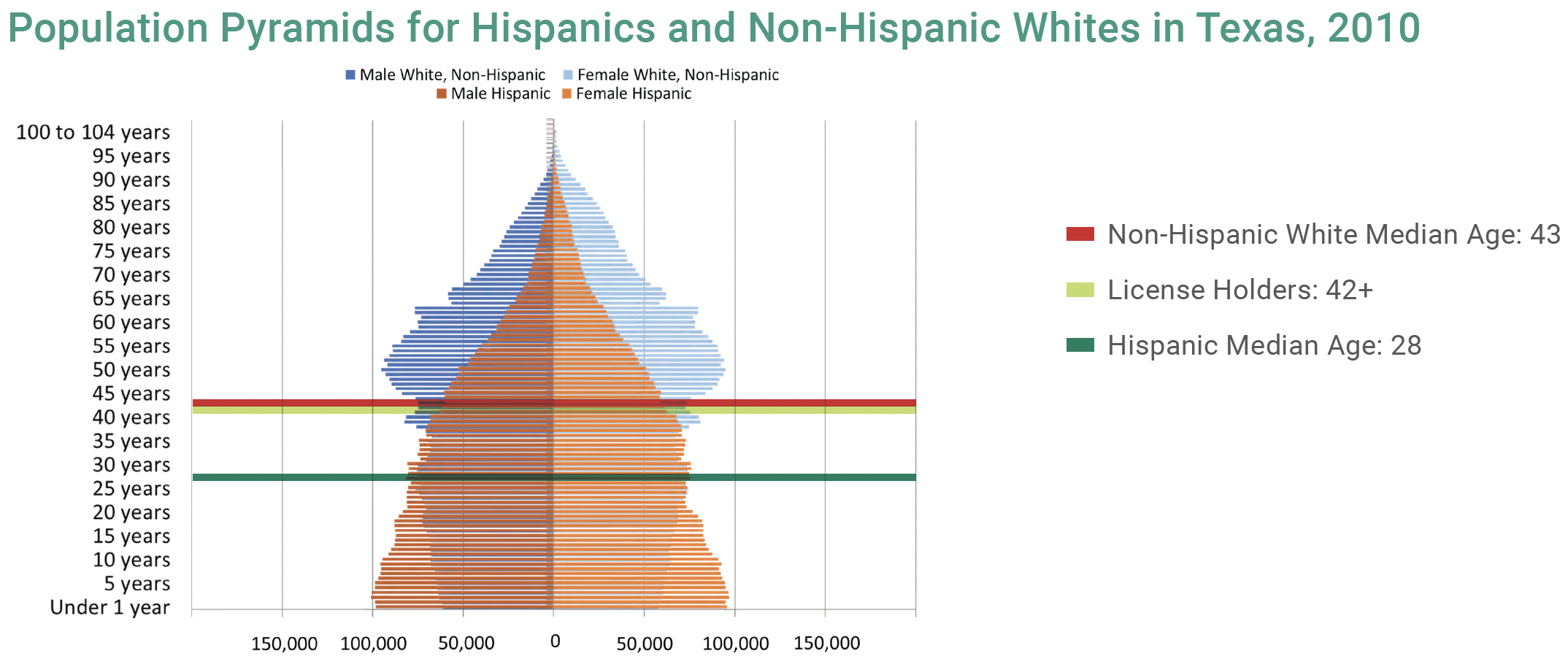
Hispanic audiences represent the future participant base
The Insight
Research revealed a critical shift: Hispanic families value outdoor experiences, but through a different lens—family-first, social, and approachable. Fishing was more accessible than hunting. Camping required guidance. Participation depended on reducing complexity and increasing cultural relevance.
Primary Research Findings
- Hispanics visit parks in bigger parties than non-Hispanics. Larger families and groups seek specific accommodations, features, and experiences. Hispanics seek opportunities to spend quality family time.
- Fishing and hunting are heritage pastimes in Texas, cherished and passed down through generations.
- Many Hispanics from first and second generations do not necessarily share the same tradition.
- Fishing, while familiar for Hispanics, they lack the knowledge to locations, regulations, and license requirements.
- As family-centric and low-cost of entry, fishing represents a low-hanging fruit opportunity to introduce TPWD outdoor offerings.
- Hispanics, especially those less acculturated, are not familiar and comfortable with hunting weapons, creating a significant challenge to adopt the activity.
- The considerable time and financial investment required for hunting activities pose further barriers.
- Non-traditional working schedules make it difficult for Hispanic families to take time off to enjoy park activities.
The Strategy
Rather than adapting traditional outreach, TPWD and FPO designed a system of entry points: lower barriers, design for families, and embed cultural relevance. The solution combined programming, communication, partnerships, and physical park changes.
Programs in Action
Go Fish / Vamos a Pescar
Introduced fishing as the easiest entry point through Spanish-language radio, Walmart partnerships, and in-park guided events. The program focused on hands-on learning and removing intimidation.

Fishing became the gateway behavior.
Neighborhood Fishin’
Expanded access by bringing fishing closer to urban communities and supporting it with bilingual social campaigns. Reduced travel and effort made participation immediate.
English


Spanish


Access + proximity drove participation.
Texas Outdoor Family
Addressed camping barriers by providing equipment, instruction, and structured family experiences—turning a complex activity into an achievable one.


Guided experiences enabled trial.
Experience Design
TPWD adapted parks to match cultural behaviors: larger gathering areas, more shelters, and bilingual signage. This ensured the experience aligned with expectations once families arrived.

Environment reinforced inclusivity.
Bilingual Access & Education
Efforts extended beyond programs into sustained engagement: Spanish park guides, bilingual interpretation, hunter education, and youth science resources—building long-term access and stewardship.
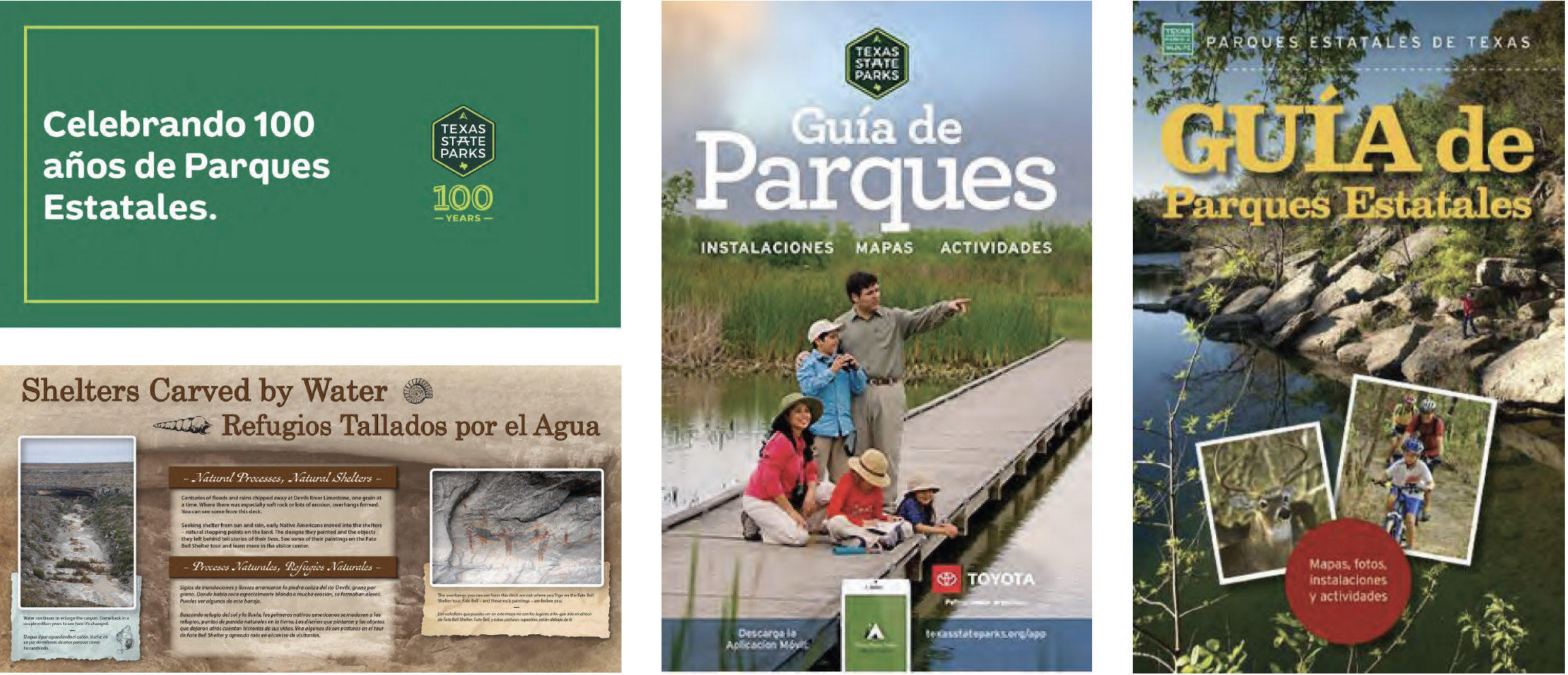
Language enabled access.

Lowering barriers to deeper participation.

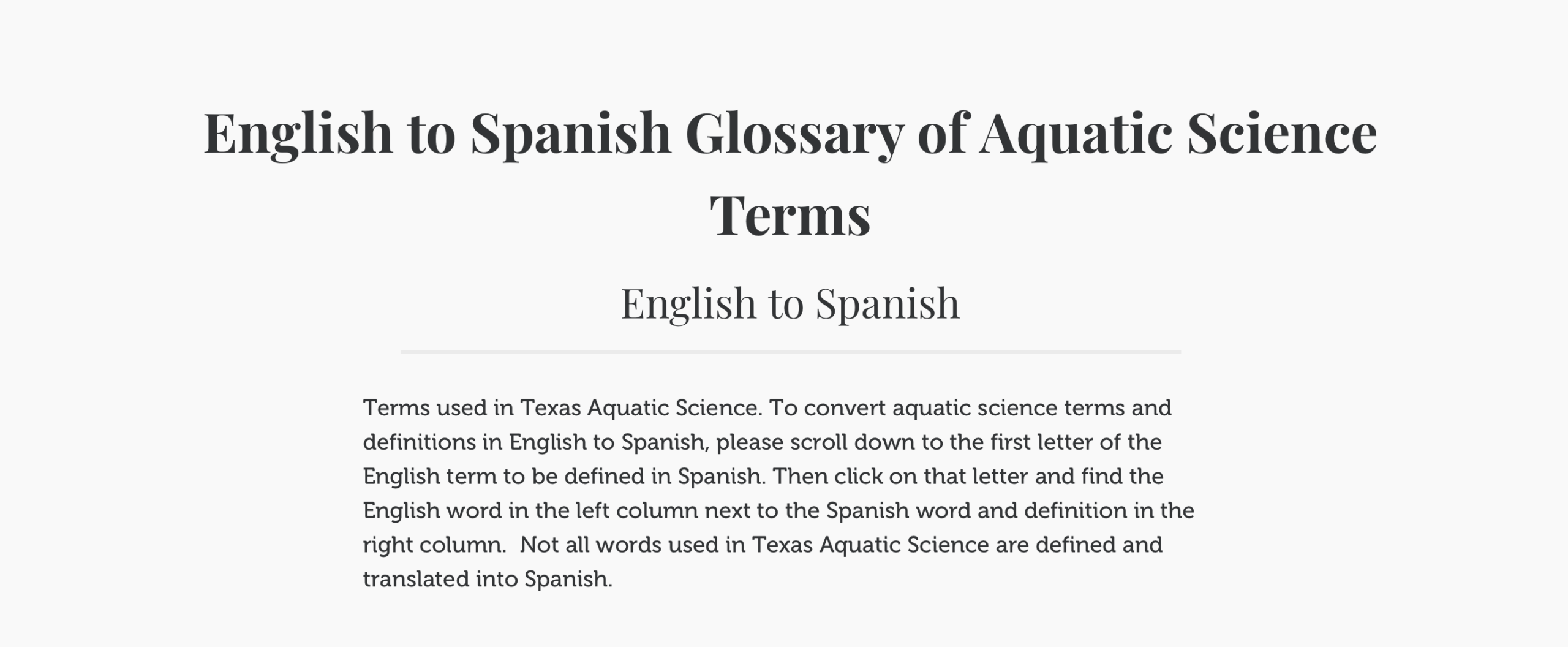

Education builds future engagement.
Media Partnerships
Partnerships with Univision and Telemundo amplified credibility and reach through culturally relevant storytelling and monthly integrations tied to outdoor activities.

Trust built through familiar channels.
The Results
Texas outperformed national trends. While participation stagnated elsewhere, TPWD maintained and grew engagement, particularly among Hispanic audiences. Today, Hispanics represent a significant share of park visitors, with growth across activities such as fishing, camping, and family recreation.
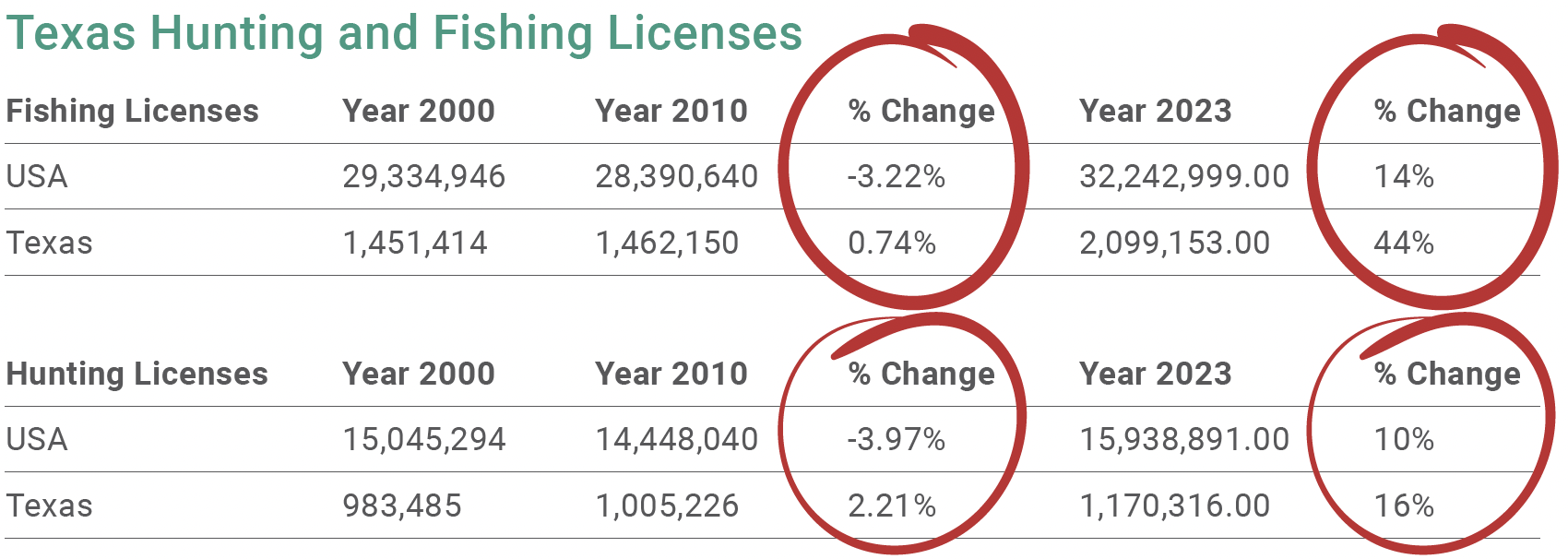
Texas outperformed national trends.
Conclusion
By aligning with cultural behavior—not just demographics—TPWD transformed participation. The result was not just growth, but a more sustainable and inclusive future for outdoor recreation in Texas.
Building Cultural Relevance to Drive Sustained Growth with Whataburger
What happens when one of Texas’s most iconic brands is not embraced by the fastest-growing segment of the state?
That was the reality when our relationship with Whataburger began in 2009. The brand was strong but not universally embraced. Among Hispanic consumers, especially Spanish-dominant audiences, Whataburger was often seen as “not for me.” Not because of the product, but because there was no clear cultural invitation.
This was not a reach issue but a relevance issue. More importantly, it was a relationship gap that represented the brand’s largest growth opportunity in its home state.
Challenge
Whataburger had built significant equity, but it wasn’t translating into growth across one of Texas’s fastest-growing consumer segments. Hispanic consumers were underrepresented, and the brand lacked cultural meaning in their daily lives.
The challenge was twofold:
• Build cultural relevance without losing brand authenticity
• Translate that relevance into sustained business growth across markets
This required more than communication; it required rethinking the brand’s role in people’s lives.
Insight
Through primary research, including dine-alongs, in-home interviews, and qualitative friendship sessions, we uncovered a defining truth:
Hispanic consumers did not reject Whataburger. They simply did not feel invited.
At the same time, they valued hospitality, freshness, family connections, and a sense of home. These were attributes Whataburger already possessed but was not expressing in a culturally meaningful way.
The opportunity was not to change the brand. It was to unlock its relevance.
Strategy and Evolution
Our approach evolved over time, deepening the brand’s relationship with the audience at every stage.
Phase 1: Cultural Entry Point– “Como en Casa”
We introduced Whataburger through a culturally grounded insight that reframed the brand as a place of familiarity and belonging. The work translated existing brand strengths like hospitality and freshness into a culturally meaningful expression, often summarized by the feeling of “como en casa.” This created the first real emotional connection with the audience and established a foundation for long-term relevance.


First culturally driven campaign establishing an emotional connection rooted in familiarity and belonging.
Phase 2: Market Intelligence and Precision
As the brand expanded, we identified clear differences in familiarity and perception across markets. In legacy markets, where the brand was already well understood, we focused on reinforcing the brand through bold, product-driven communication that highlighted its unique offerings. In growth markets with lower Hispanic penetration, we emphasized core brand differentiators such as customization, quality, and hospitality to build awareness and connection. This market-specific approach allowed us to deliver more relevant messaging, improve efficiency, and drive stronger performance across regions.
Market-specific approach based on brand familiarity and growth opportunity
Legacy Markets
Expansion Markets
Phase 3: Acculturation Expansion
As the audience evolved, we expanded communication beyond language to reflect different levels of acculturation. This included Spanish, bilingual, and culturally relevant English work, allowing the brand to connect more naturally across segments while maintaining a consistent voice. This shift ensured relevance with a broader audience and strengthened the brand’s role across generations and cultural identities.
Language is a tactic. Culture is the strategy that drives connection across audiences.
Phase 4: Total Integration
We built a fully integrated ecosystem across channels and teams, ensuring the brand shows up consistently at every touchpoint. This included broadcast, digital, social, partnerships, and broader brand initiatives, all aligned under a unified strategy. We work across internal teams and external partners, allowing creative to scale and adapt while maintaining consistency and maximizing impact.
Integrated efforts across channels and partnerships driving consistent brand presence and engagement.
Social
Content
Broadcast
Radio
Execution
Execution spanned broadcast, digital, social, community activations, field training, and local marketing.
Dedicated campaigns like “Momentos Para Saborear” and “Whatalucha “connected product messaging with cultural behaviors and everyday moments.
Momentos Para Saborear
Whatalucha
Cultural storytelling across digital platforms.
Opportunistic Activation
Beyond planned execution, we have also been instrumental in identifying and activating high-impact, real-time opportunities within the community. A strong example was the NCAA Final Four hosted in San Antonio. While Whataburger was not an official sponsor, we recognized the scale and relevance of the moment and developed an opportunistic airport takeover activation to ensure the brand was present, visible, and culturally connected to the influx of visitors. This approach allowed us to extend the brand’s reach and reinforce its presence during a nationally significant event without relying on formal sponsorship. (See case study here)
Results
• Revenue growth from $800M to $4.5B
• Expansion to 19 states
• Hispanic fans have become from one-third to the largest segment
• Consistent outperformance in Hispanic markets
What began as a gap in connection became one of the brand’s most powerful growth engines.
Current Evolution
Today, the work continues to evolve with greater precision.
Rather than applying a broad “total market” approach, we are identifying Latino-driven passion points that naturally overlap with the broader population and use them as a starting point for larger initiatives.
A key example is a 2026 World Cup initiative
While Whataburger is not an official sponsor, four of its markets are host cities. Soccer represents a deeply rooted cultural passion point within Hispanic communities that also resonates widely.
We are leveraging that understanding to build a holistic initiative that starts with culture and expands outward, recognizing that Hispanic passion points often influence and overlap with broader consumer behavior, making them a powerful foundation for wider connection.
Conclusion
Hispanic cultural identity should not be treated as a segment strategy. When done right, it is a growth strategy.
By deepening relationships over time with Hispanics, we have helped Whataburger turn the power of cultural relevance into a business advantage for sustained business growth.